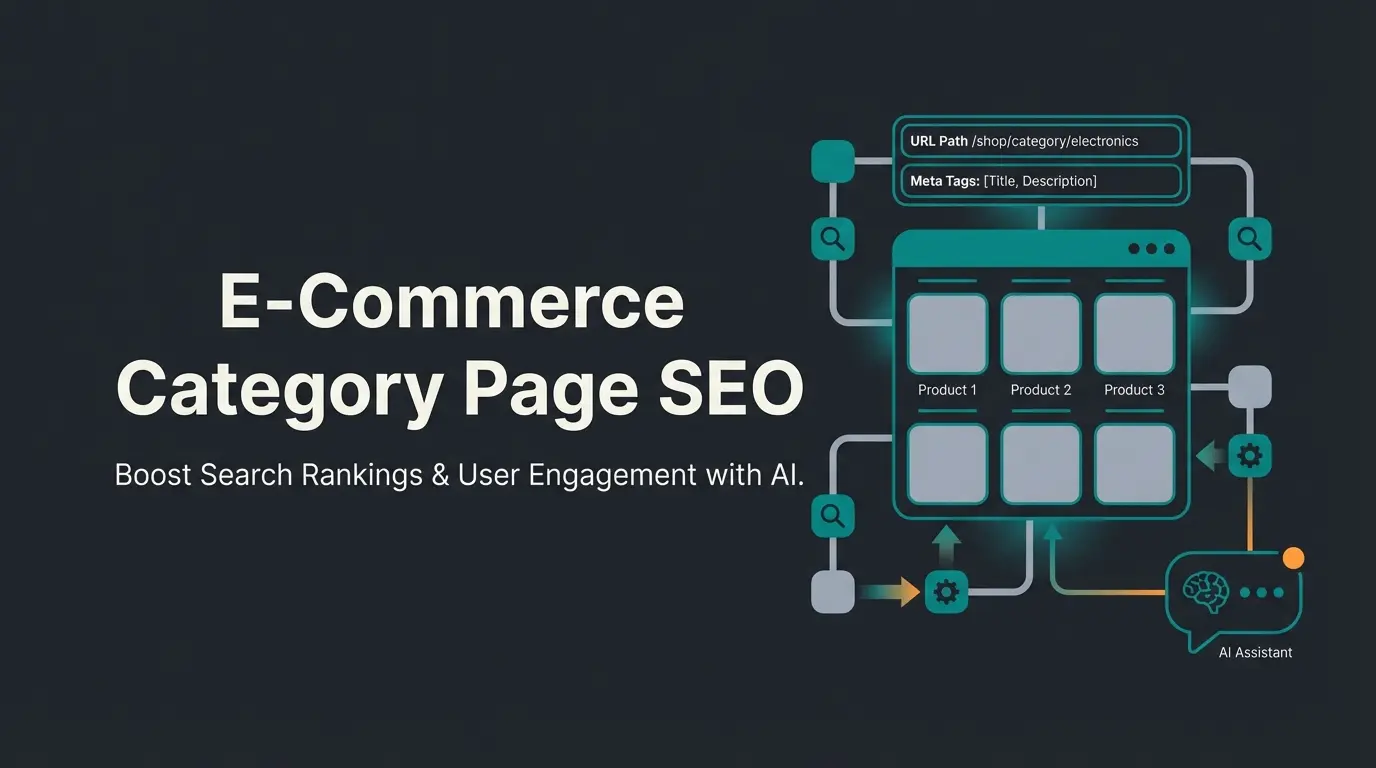
Why Technical SEO Alone No Longer Delivers Results
The year 2025 marks a turning point in e-commerce SEO. For years, shop operators and agencies focused primarily on technical aspects: clean URLs, fast loading times, and correct meta tags. These factors remain the foundation—the "table stakes" without which you cannot even participate in the game. However, the rules for winning have fundamentally changed.
Google has made it unmistakably clear through continuous "Helpful Content Updates" and the integration of AI into search results (AI Overviews): relevance beats technology. A technically perfect page that fails to engage users will lose rankings over time. According to insights from Shopify, user engagement metrics have become increasingly important ranking signals.
In the Shopware community, the topic is often still treated very traditionally. Many search for "Shopware SEO" hoping to find that one plugin that will catapult them to position one. But reality is more complex. Today's top rankings are dominated by shops that not only run technically clean but deliver answers. If you want to optimize Shopware product pages effectively, you need to think beyond traditional optimization.
This guide is different. We cover the essential technical innovations of Shopware 6.6 and 6.7, but go a crucial step further: we show you how to generate signals that Google loves through Behavioral SEO and AI-powered product consultation—high dwell time, deep interaction, and satisfied users.
The Foundation: Technical Shopware 6 SEO Must-Haves
Before we dive into advanced strategies, we must ensure your Shopware shop is technically configured flawlessly. With updates to Shopware 6.6 and 6.7, several important parameters have shifted. Understanding the proper Shopware 6 URL structure is essential for success.
SEO URLs and Twig Templates: The Syntax of Success
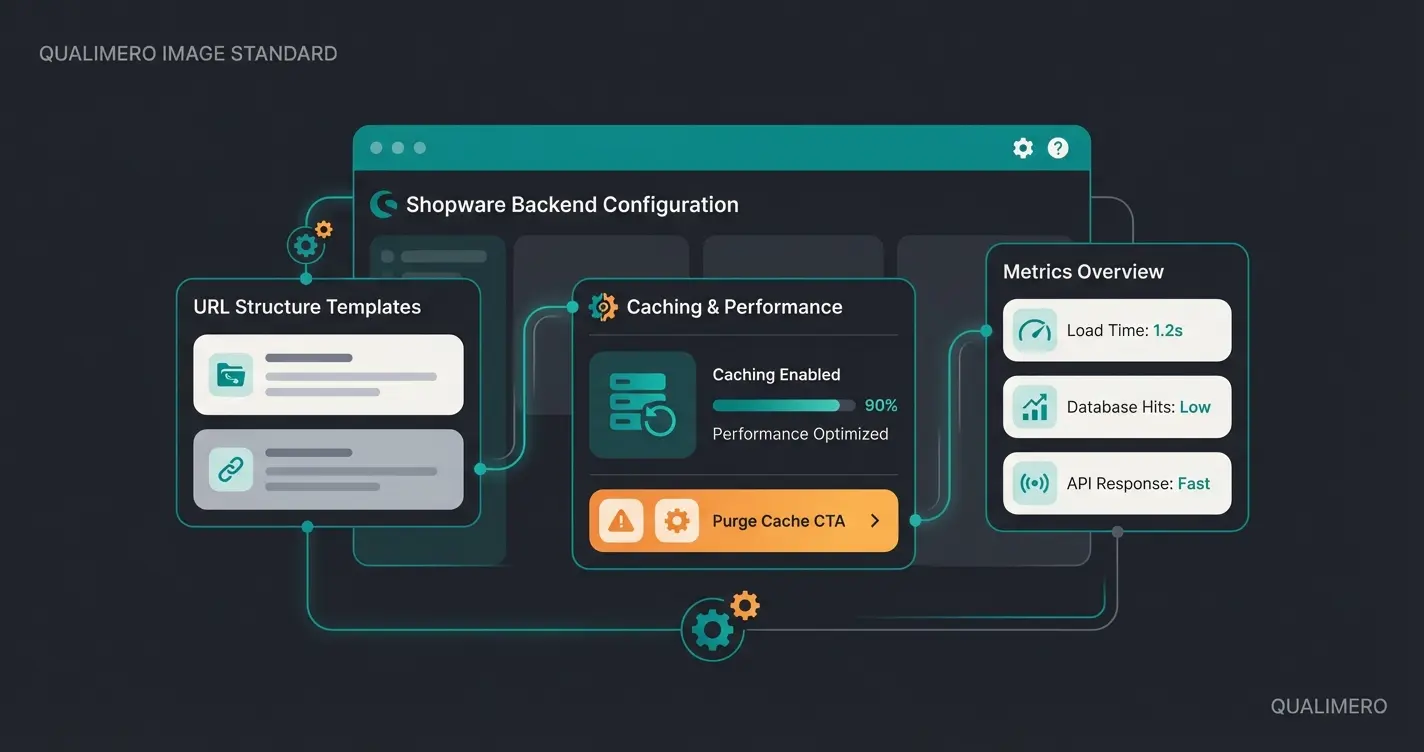
A speaking URL structure is essential for click-through rates (CTR) and crawling. Shopware 6 solves this through dynamic templates based on the Twig engine. A common mistake is using default templates that can lead to duplicate content with variants or complex categories. According to brocksi.net, proper template configuration is crucial for avoiding SEO issues.
Best Practice for Product URLs: Avoid IDs in the URL wherever possible and use the breadcrumb structure for context.
- Standard Approach (often insufficient): `{{ product.name }}` - Problem: Leads to conflicts and appended IDs with identically named products.
- Optimized Approach (SEO Recommendation): Combine category and product name while enforcing lowercase and URL encoding.
Pro Tip: Use the preview function in the admin area (Settings > Shop > SEO) to check whether your Twig logic produces valid URLs (green checkmark). The 50lution documentation provides additional guidance on template syntax.
Robots.txt and Sitemap: New Control in Shopware 6.7
For a long time, the robots.txt in Shopware 6 was a physical file that had to be manually edited on the server or required plugins. This has changed significantly with the latest updates.
The Update in Shopware 6.7: Since version 6.7.1.0, you can manage the robots.txt directly in the admin area under Settings > General Settings as confirmed by Shopware's official documentation. This is a massive advantage for SEO managers who want to control crawl budgets without developer resources.
Note: Shopware generates sitemaps automatically. Ensure the "Sitemap Update Strategy" in the settings is set to "Scheduled" to avoid performance losses in the frontend.
Performance and Core Web Vitals: The Shopware 6.6 Boost
Google evaluates user experience based on Core Web Vitals (LCP, FID/INP, CLS). Shopware 6.6 brought a decisive technical leap: Asynchronous JavaScript Loading. As noted by HulkApps, this change significantly impacts page performance.
Previously, Shopware bundled all JavaScript in one massive `all.js` file that blocked rendering. Now, JavaScript is loaded in smaller chunks and only executed when needed. This dramatically improves the "Interaction to Next Paint" (INP) value. Shopware's release notes detail these improvements extensively.
Caching Strategy: Delayed Invalidation Benefits
An often overlooked SEO factor is server response time (TTFB). Shopware 6.7 introduced Delayed Cache Invalidation. Instead of deleting the cache immediately with every small product change (which burdens the server and slows down the shop), invalidations are now collected and processed in intervals (default: 5 minutes). This is confirmed by Shopware's technical documentation and BitBag.
SEO Advantage: The shop remains fast for both crawler and customer even during backend updates. This directly impacts your rankings as Google favors fast, responsive sites.
The Missing Link: Behavioral Factors and User Signals
Most SEO guides end after the technical settings. But in 2025, rankings are often decided only after the click. Google measures very precisely how users interact with your shop. This is where understanding Shopware AI features becomes crucial.
Dwell Time as a Critical Ranking Factor
Dwell Time describes the time a user spends on your page before returning to Google search results. According to SEO Discovery and Semrush, this metric has become increasingly important.
- Short Dwell Time (< 30 seconds): Signals to Google: "This result was not relevant."
- Long Dwell Time (> 2 minutes): Signals: "The user found what they were looking for here."
Studies and leaks (such as the Google API Leaks 2024) suggest that Google massively rewards "Long Clicks" and successful sessions.
The Problem of Pogo-Sticking in E-Commerce
When a user clicks on your search result, scrolls briefly, finds no answer, and immediately clicks back to Google ("Back Button"), it's called Pogo-Sticking. This is one of the strongest negative signals for your ranking.
Why does this happen in Shopware shops? Standard product pages are often static. They list features (size, weight, material) but don't answer the implicit questions of the user:
- "Does this hiking boot also fit wide feet?"
- "Is this cable compatible with my 5-year-old printer?"
- "What accessories do I really need?"
The user doesn't find the answer immediately -> clicks back -> ranking loss. This is the content gap we must close. Modern Shopware SEO product pages need to address these concerns proactively.
Sessions under 30 seconds signal irrelevance to Google
Average e-commerce bounce rate from complex product pages
Engagement duration that signals quality content to search engines
Users returning to search results after visiting static product pages
How AI Product Consultation Revolutionizes SEO
Here is where your strategic advantage comes into play: transforming the product page from a static catalog sheet to an interactive consultation surface. Implementing AI product consultation creates a new paradigm for user engagement.
The Service Layer as an SEO Signal
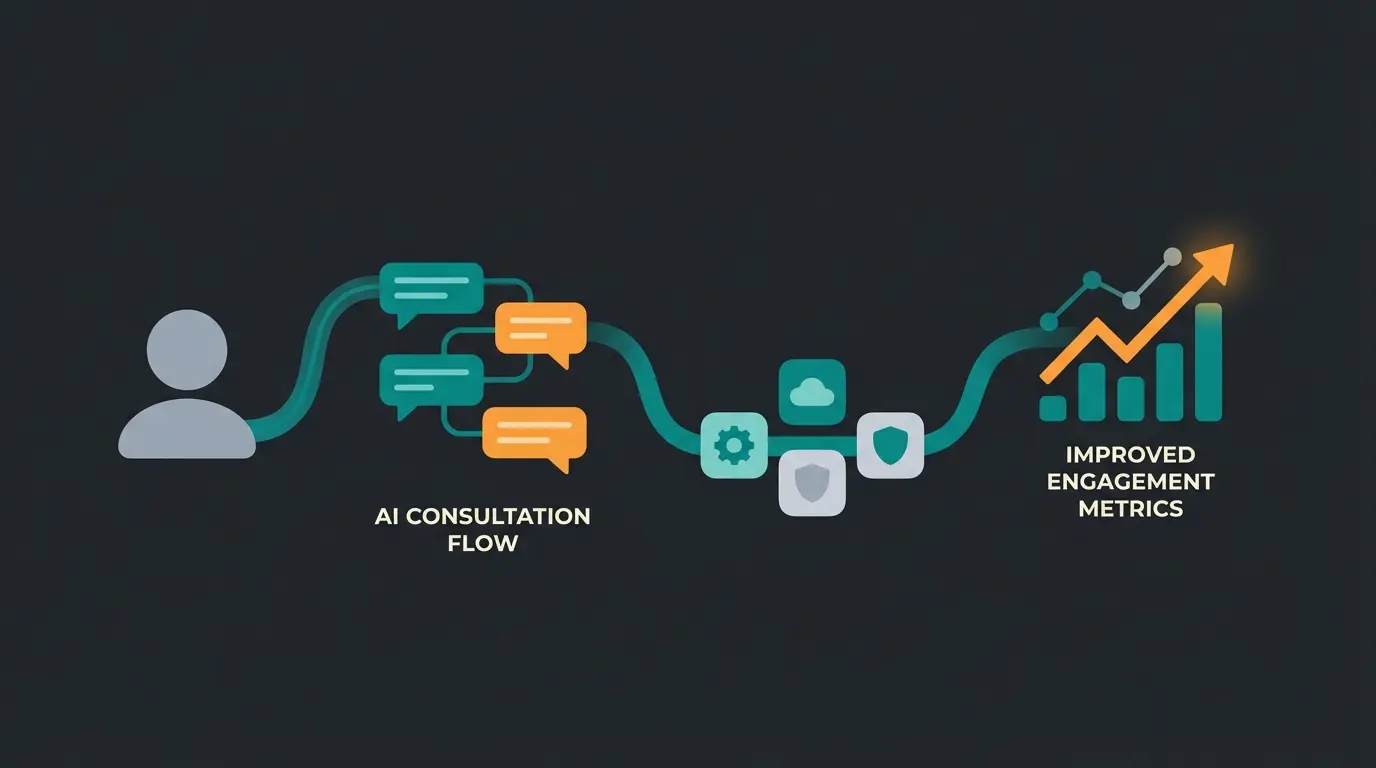
By integrating an AI-powered product consultation (AI Product Consultant), you fundamentally change user behavior. Instead of leaving the page to search in forums or on Google for details, the user asks the question directly to your AI. As Retainr.io research indicates, AI-driven interactions significantly boost on-site engagement.
The SEO Effect:
- Increased Dwell Time: Every interaction with the AI (typing a question, reading an answer, asking follow-ups) keeps the user on the page. Seconds become minutes.
- Reduced Bounce Rate: The user is "picked up." The probability of jumping back to Google approaches zero.
- Interaction Depth: Google registers scroll events and clicks. Active consultation creates a high density of interactions.
Semantic Relevance and Long-Tail Coverage
Classic filters in Shopware (Color: Blue, Size: L) don't understand context. An AI, however, understands search intentions (Search Intent) as explained by WordLift. This is where exploring AI E-Commerce solutions becomes valuable.
- User Query: "I'm looking for a warm jacket for winter that doesn't bulk up too much in the car."
- Standard Shop: Shows all winter jackets -> User is overwhelmed.
- AI Shop: Recommends specific softshell or down models with explanation.
This semantic match is exactly what Google demands with the "Helpful Content Update." When your page can satisfy these complex queries (even if the user only asks them once on the page), the overall rating of your domain authority (E-E-A-T) increases. According to WordStream, semantic relevance is now paramount.
Dynamic Content Generation: Living Content Strategy
Another advantage of AI solutions is the ability to keep content fresh through dynamic generation:
- User-Generated FAQs: The questions users ask your AI are gold. You can use them to expand FAQ sections on the product page (automated or curated).
- Advantage: Your page grows organically with relevant keywords that real people search for ("Long-Tail") without you having to write every text manually.
Understanding Shopware AI product consultation helps you leverage these dynamic content opportunities effectively.
Standard FAQ Bots vs AI Product Consultants
Many shop operators think of the annoying pop-ups from 2018 when they hear "chatbot." It's important to understand the difference between modern LLM-based (Large Language Model) consultants, particularly regarding SEO. When evaluating Shopware 6 chatbots, the distinction is crucial.
| Feature | Standard Chatbot (Rule-Based) | AI Product Consultant (LLM/GenAI) | SEO Impact (AI) |
|---|---|---|---|
| Understanding | Only exact keywords ("Shipping", "Return") | Understands context, nuances & typos | High: Keeps users on page even with vague queries |
| Response Quality | Static text blocks / links | Generates individual, helpful answers | Very High: Fulfills "Helpful Content" criteria |
| User Experience | Often frustrating ("I didn't understand that") | Flowing conversation, like a salesperson | Positive: Massively reduces pogo-sticking |
| Data Basis | Limited scripts | Entire product catalog + attributes | Medium: Increases internal linking through product suggestions |
| Integration | Overlay (disruptive factor) | Integrated as assistant (added value) | Positive: Perceived as part of the content |
This comparison highlights why investing in modern AI powered product consultation delivers superior SEO results compared to legacy solutions. The integration of AI in customer service represents a significant competitive advantage.
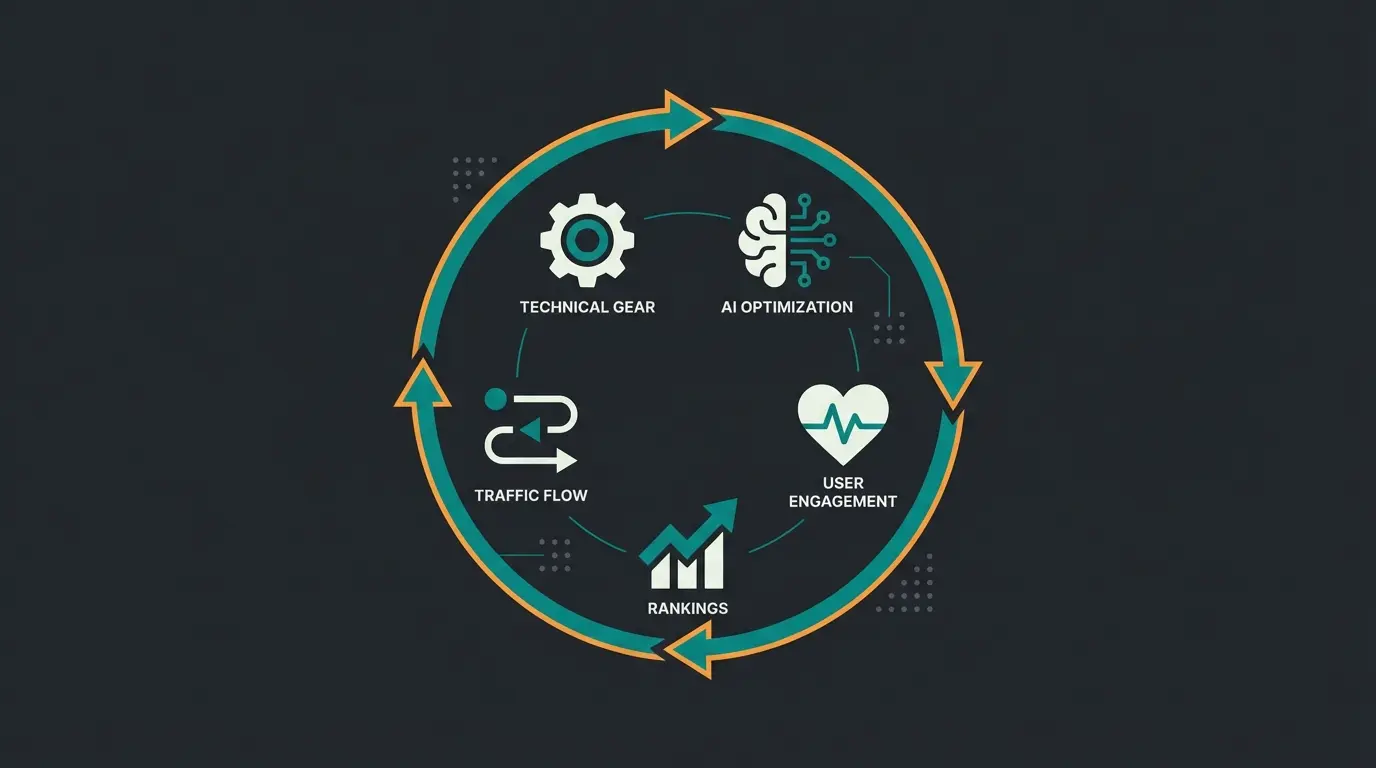
URLs, Hosting, robots.txt, sitemap, Core Web Vitals - the essential infrastructure
Product descriptions, images, meta tags, structured data - your searchable assets
AI consultation, interactive elements, dwell time optimization - the winning factor
Stop losing rankings to pogo-sticking. Our AI product consultation keeps users engaged and sends powerful quality signals to Google.
Start Your Free TrialImplementation Guide: Putting Strategy Into Action
How do you get this horsepower on the road? Here is a step-by-step plan for your Shopware 6 shop that combines technical excellence with engagement optimization.
Step 1: Smooth Out the Technical Foundation
- Check Update: Plan the update to at least Shopware 6.6 (for Async JS) or ideally 6.7 (for Admin-Robots.txt & Caching).
- Clean Up SEO Templates: Go to Settings > Shop > SEO. Check your Twig templates for validity. Ensure `{{ product.translated.name }}` is used.
- Optimize Images: Use WebP. Shopware supports this natively, but check your thumbnail settings.
- Sitemap: Ensure your sitemap is submitted in Google Search Console and contains no 404 errors.
Step 2: Integrate the Consultation Layer
This is where you differentiate yourself from the competition. Consider how the Shopware vs OXID comparison demonstrates the importance of platform choice for AI integration.
- Tool Selection: Choose an AI solution deeply integrated into Shopware (access to product data streams). Explore AI Product Consultation providers to find the best fit.
- Placement: Don't hide the consultant in the footer. Place the call-to-action ("Unsure? Ask our AI") prominently near the "Add to Cart" button or as a subtle but visible element on the PDP (Product Detail Page).
- Prompt Engineering: Train the AI (if possible) on your brand voice. It shouldn't sound like a robot but like your best salesperson. This builds trust—a part of E-E-A-T.
Step 3: Measure and Optimize Continuously
SEO is not a one-time setup. Implementing Shopware cross-selling strategies alongside AI consultation amplifies results.
- Google Search Console: Monitor CTR. Is it rising?
- Analytics (GA4): Create a segment for users who interacted with the AI. Compare their dwell time and conversion rate with users without AI interaction. You will see significant differences.
- Feedback Loop: Use chat logs to find content gaps in your static descriptions. If 50 people ask "Is it waterproof?", "Waterproof" should be bold in the product description.
Old School SEO vs User-Centric SEO Comparison
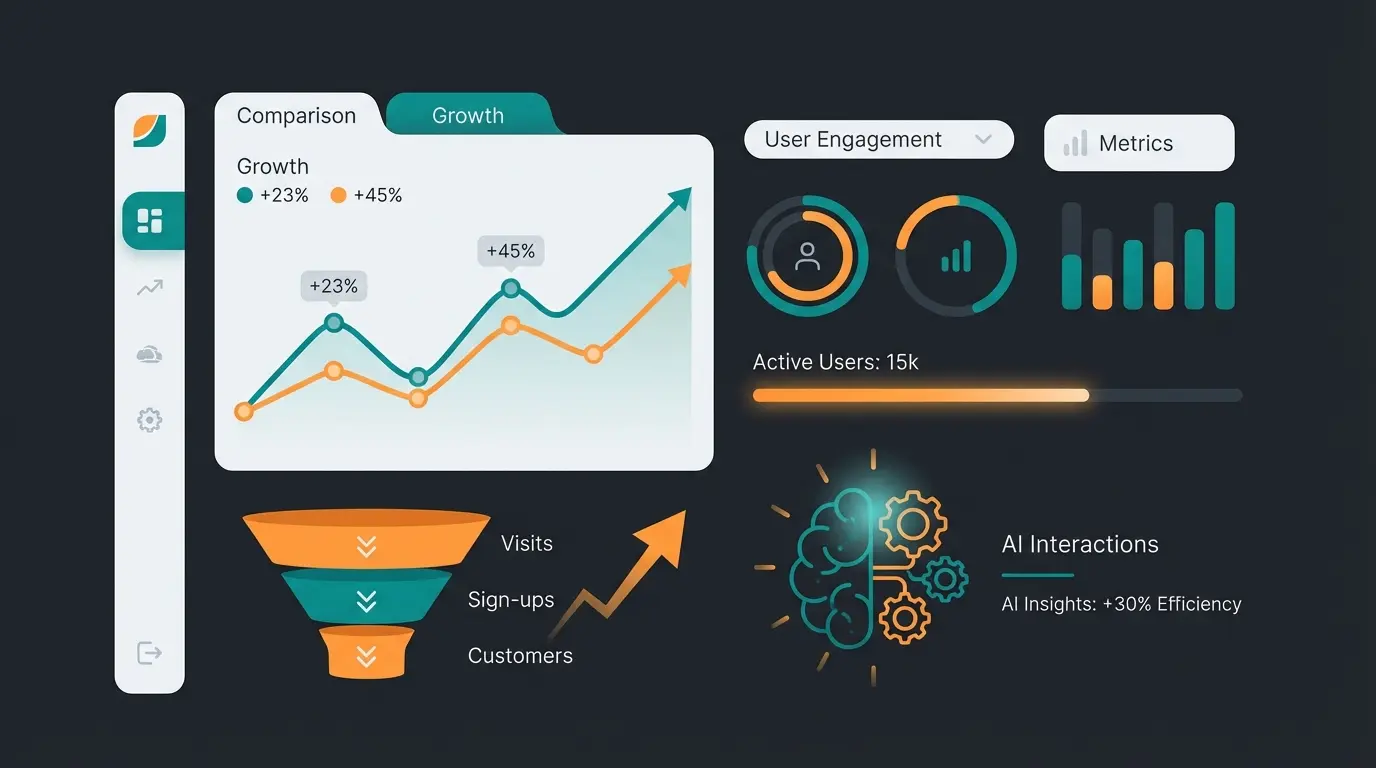
Understanding the evolution from traditional to modern SEO practices is essential for competitive success in 2025:
| Aspect | Old School SEO (Standard Shopware) | User-Centric SEO (With AI Consultation) |
|---|---|---|
| Bounce Rate | High - users get lost in filters | Low - users are guided by AI assistant |
| Keyword Reach | Limited to static text on pages | Unlimited dynamic long-tail query coverage |
| User Intent | Ignored - focus on crawlers | Prioritized - content answers real questions |
| Content Freshness | Static, manual updates only | Dynamic, AI-generated expansions |
| Engagement Signals | Minimal interaction tracking | Deep interaction data for ranking boost |
| Competitive Moat | Easily replicable technical setup | Unique user experience difficult to copy |
Germany-Specific SEO Considerations
Since many Shopware shops target the German market, specific considerations apply:
- Server Location Germany: Hosting speed and server location matter for local SEO. German users expect fast response times.
- GDPR/DSGVO Compliance: Crucial for German SEO—Google prefers secure, compliant sites. Any AI consultation tool must be fully GDPR-compliant.
- Trust Signals: German consumers value "Datenschutz" (data privacy) highly. Explicitly mentioning GDPR-compliant AI consultation builds trust and improves conversion rates.
- Language Quality: Machine-translated content performs poorly. Invest in native German content or high-quality localization.
Conclusion: Your SEO Success Roadmap for 2025
The search for "Shopware SEO" often leads to lists of plugins and settings. These are important, but in 2025, they're only the entry ticket. The competition is no longer won in the backend but in the user experience.
By transforming your Shopware shop from a pure transaction platform to a consultation platform, you serve exactly the signals that Google's algorithms hunger for: relevance, expertise, and user satisfaction.
Your Roadmap to Success:
- Technology: Shopware 6.7 Update & clean Twig URLs
- Content: Away from keyword stuffing, toward semantic depth
- Innovation: Integration of an AI Product Consultant to maximize dwell time
Don't wait until the competition closes this gap. The technology is here—use it to not only rank better but sell better.
Users with AI interaction stay 3x longer on product pages
AI-guided users are far less likely to return to search results
Documented improvements through content marketing and engagement optimization
Dynamic AI responses cover unlimited specific user queries
Frequently Asked Questions About Shopware SEO
Yes, Shopware 6 is excellent for SEO. It offers native support for SEO-friendly URLs via Twig templates, built-in sitemap generation, and since version 6.7, direct robots.txt management in the admin panel. The platform's flexibility allows for deep customization of meta data, structured data, and technical SEO elements that many competitors lack.
In Shopware 6.7.1.0 and later, navigate to Settings > General Settings in the admin panel. You'll find a dedicated section for robots.txt management where you can edit directives directly without server access or plugins. This is a significant improvement over previous versions that required manual file editing.
The optimal structure combines category context with product name: use Twig templates like `{{ product.mainCategories.first.category.translated.name|lower }}/{{ product.translated.name|lower }}`. This creates readable, keyword-rich URLs that provide context for both users and search engines while avoiding duplicate content issues.
AI consultation improves SEO through behavioral signals: it increases dwell time (users stay longer asking questions), reduces bounce rates (users don't return to Google), and creates interaction depth (scrolls, clicks, engagement). These user signals are increasingly important ranking factors that technical SEO alone cannot provide.
Shopware 6.6 introduced asynchronous JavaScript loading, replacing the monolithic all.js bundle with smaller, on-demand chunks. This dramatically improves Interaction to Next Paint (INP) scores. Combined with 6.7's delayed cache invalidation, shops can achieve significantly better performance metrics that directly impact rankings.
Combine technical excellence with AI-powered user engagement. Our solution integrates seamlessly with Shopware to maximize dwell time and conversion rates.
Get Started Today