
Introduction: Why Looking Good Is No Longer Enough
E-commerce in Germany has fundamentally transformed. Five years ago, it was often sufficient to install an aesthetic theme and upload quality product photos to be considered a "good" online shop. Today, in 2025, competitors are just one click away, and user attention spans are shorter than ever.
When searching for Shopify shops, you'll find countless lists featuring visually appealing examples. But design is only half the equation. The real magic behind successful Shopify shops happens under the hood: the mechanisms that transform a casual browser into a loyal repeat customer.
In this article, we analyze not just aesthetics, but strategy. We examine the 20 best Shopify shop examples from Germany and reveal why brands like Snocks, Giesswein, and Rosental Organics generate eight-figure revenues. We'll address a critical gap missing from most analyses: the transition from static catalog to intelligent digital consultation. According to Tante-E, Shopify has established itself as the leading e-commerce platform for D2C brands in Germany with over 80,000 active shops.
For a comprehensive comparison of e-commerce platforms, check out our detailed Shopify 2025 comparison that covers platform capabilities for complex products and AI integration.
What Makes a Shopify Shop Successful? The Key Criteria
Before diving into the examples, we need to define what success means in 2025. It's no longer just about traffic—it's about conversion and Customer Lifetime Value (CLV).
Here are the four pillars that separate top performers from average shops:
1. Performance & Mobile First (The Foundation)
A slow-loading shop doesn't sell. Successful brands use lean code and optimized images (often WebP formats) to guarantee loading times under 2 seconds. With over 70% of traffic coming from mobile devices, "thumb-friendly" design is mandatory.
2. Trust & Social Proof
German customers are security-conscious. Top shops integrate trust elements not in the footer, but "above the fold" (visible without scrolling). Key elements include TÜV seals, "As seen in" media bars, verified reviews (via Reviews.io or Trustpilot), and User Generated Content (UGC). Implementing AI Customer Service solutions can further enhance trust by providing instant, reliable support.
3. D2C Storytelling (Direct to Consumer)
Shopify is the home of D2C brands. Successful shops don't sell products—they sell identity. They use "About Us" pages and blogs not as filler material, but as SEO and branding weapons.
4. Guided Selling & Digital Consultation (The Gamechanger)
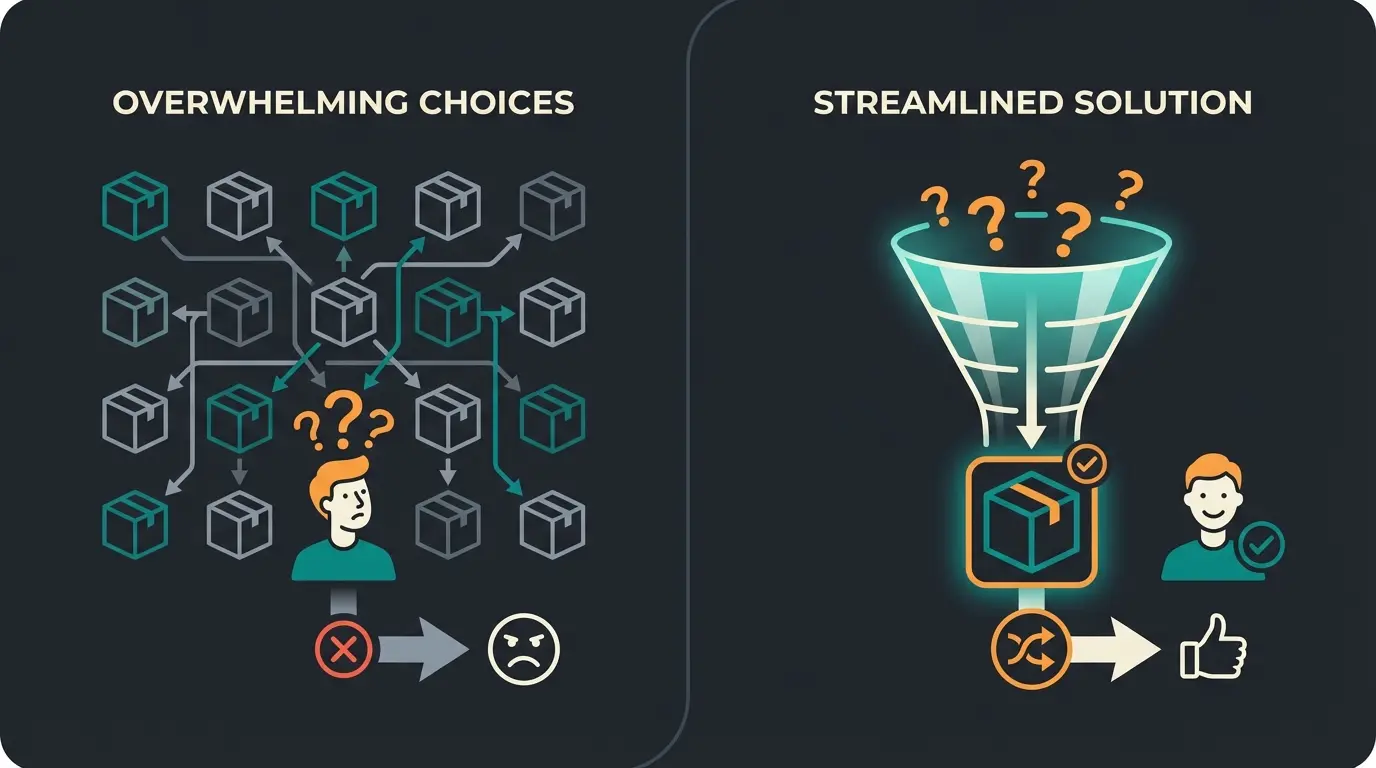
This is the most important trend for 2025. Customers are often overwhelmed by choice ("Analysis Paralysis"). Static shops display 50 face creams with filters (price, brand). Intelligent shops ask: "What's your skin type?" and suggest one perfect solution. This is achieved through product quizzes, routine finders, or increasingly through AI-powered sales assistants. Leveraging AI-driven consultation can dramatically improve conversion rates while reducing returns.
Shopify has established market leadership in Germany
Guided selling dramatically outperforms standard 1-3% rates
Thumb-friendly design is no longer optional
Speed is essential for preventing bounces
Category 1: Fashion & Accessories (Masters of Scale)
This category features the revenue giants that prove Shopify can handle massive order volumes and traffic spikes (drops) without issues.
1. Snocks – The Cross-Selling King
Niche: Socks & Basic Fashion | Revenue: approx. €83 million (2024)
According to Retail News, Snocks is the prime example of a German success story on Shopify. What began as an Amazon business is now one of the strongest D2C brands in the market.
Why this shop sells so well:
- Bundle Strategy: Snocks has perfected selling "multi-packs." They use Shopify Scripts and specialized apps to increase Average Order Value (AOV). Instead of one pair of underwear, customers buy a 6-pack because the price advantage is psychologically clever presented.
- User Centricity: Snocks uses tools like Judge.me for reviews and Typeform for customer surveys to iterate products based on feedback, as documented in their YouTube case study.
- Performance: Despite numerous apps and scripts, checkout is lightning fast—essential for high mobile traffic rates.
2. Giesswein – Tradition Meets High-Tech
Niche: Shoes (Merino Wool) | Highlight: 179% revenue increase after migration
The Austrian traditional company (with strong focus on the German market) switched from a complex Magento system to Shopify Plus. According to Shopify's case study, the results were transformative.
Strategic Analysis:
- Focus on Material Explanation: Merino wool requires explanation. Giesswein uses landing pages that feel less like a shop and more like an interactive brochure. Videos and GIFs explain benefits (breathable, wearable barefoot) directly on the product.
- Internationalization: Giesswein operates 5 international stores with Shopify Plus, demonstrating efficient management of currencies and languages.
- Returns Management: Through detailed size consultation and material information, the typically high return rate in shoe retail is actively combated.
3. LFDY (Live Fast Die Young) – Hype & Drops
Niche: Streetwear | Challenge: Extreme traffic spikes
LFDY is known for limited "drops." When a new collection goes live, tens of thousands of users storm the shop simultaneously.
Why Shopify? According to Shopify documentation, the shop migrated from Shopware to Shopify Plus because previous systems collapsed under the load of 35,000 simultaneous visitors. Shopify handles this demand. The design is extremely minimalist ("dark mode" aesthetic). Nothing distracts from the product. Minimal text, only strong visuals—creating scarcity and desirability.
4. Kapten & Son – The Configurator Pioneer
Niche: Backpacks, Watches, Glasses
Kapten & Son grew big through influencer marketing, but the shop is a technical masterpiece. As shown on Kapten-Son.com, their product configurators allow customers to customize products (e.g., swap watch bands), increasing emotional connection before purchase. The bundle-builder offers "Create your own Set" functions (e.g., watch + replacement band), massively boosting cart value.
5. PURELEI – Influencer Integration Excellence
Niche: Jewelry (Hawaii Style)
PURELEI generates mid-eight-figure revenues and has grown strongly through the "Mahina Club" (subscription model), as reported by Tante-E's analysis.
- Loyalty & Gamification: The shop is closely linked to a rewards system. Customers collect points (Leis) that can be exchanged for exclusive products.
- Seamless Influencer Integration: Landing pages are often tailored directly to specific influencer campaigns, converting Instagram Stories traffic without friction.
The most successful Shopify shops don't wait for customers to find products—they actively guide them to the perfect choice using AI-powered consultation.
Start Free TrialCategory 2: Food & Beverage (Making Taste Digital)
Selling food and beverages online is challenging because customers can't taste before buying. These Shopify examples solve this problem through content and sample packages.
6. Waterdrop – Unified Commerce Pioneer
Niche: Microdrinks (Water Flavor Cubes) | Revenue: €140 million (2024)
According to Shopify's enterprise report, Waterdrop is one of the most impressive examples of merging online and offline commerce.
Strategic Analysis:
- Shopify POS (Point of Sale): Waterdrop uses Shopify not only online but in over 40 physical stores. A customer buys in-store, collects points in the digital loyalty program, and reorders online later. Data is synchronized across all touchpoints.
- The Club: The loyalty program (Waterdrop Club) is prominently integrated and ensures high repeat purchase rates (retention).
- Sample Sets: To lower the "will I like this?" barrier, entry is almost always through a discounted sample set.
7. KoRo – Transparency as USP
Niche: Bulk Food Packages
KoRo has revolutionized food retail by bypassing trade levels. What makes them special, as shown on KoRoDrogerie.de, is their radical transparency with price development graphs on every product page, showing how prices evolved and why (e.g., "harvest was poor"). This creates extreme trust. The shop serves both end customers and business customers (cafés, offices) through the same platform.
8. YFood – Subscription Commerce
Niche: Meal Replacement Drinks
YFood solves a clear problem: no time to eat. According to Panoramata's analysis, the shop is optimized to push customers toward subscriptions (saver subscriptions). The UX makes subscribing easier than making a one-time purchase. Product pages are extremely long and address every possible objection (ingredients, satiety, taste) with graphics and icons.
9. Paper & Tea (P&T) – Aesthetics & Education
Niche: Premium Tea & Paper Goods
Tea is complex. Paper & Tea uses the shop to "teach." How do you brew correctly? What's the difference between white and green tea? Content is seamlessly integrated into the purchase process. The visual language resembles a design magazine—large images, lots of white space—justifying premium prices.
10. Kloster Kitchen – Pure Storytelling
Niche: Ginger Shots
A "one-product-shop" (originally) that grew through storytelling. The story of the old monastery recipe is played everywhere. The shop uses modern web design techniques (scrollytelling) to present the product dynamically instead of just showing static images.

Category 3: Beauty & Health (The Consultation Kings)
Here, the need for guided selling is highest. Which serum suits me? Which vitamins do I need? These brands excel at AI Product Consultation to answer these critical questions.
11. Rosental Organics – Best Practice for Guided Selling
Niche: Natural Cosmetics & Tools (Gua Sha)
Rosental is my favorite when it comes to consultation integration. As shown on Rosental Organics, their "Find Your Routine" quiz is prominently featured.
The Consultation Check:
- Skin Type Advisor: Rosental uses a prominent quiz. Users answer questions about skin condition, age, and goals.
- Result: At the end, there's no list of 50 products, but a personalized routine (e.g., "Your Morning Set").
- Psychology: This reduces decision anxiety and massively increases cart value, as entire sets rather than individual products are often purchased.
This approach exemplifies how digital product consultants can transform the shopping experience and significantly boost conversion rates.
12. Gitti – Conscious Beauty
Niche: Vegan Nail Polish
Gitti sells "abstinence" (from harmful substances). The shop communicates this through icons and transparent ingredient lists. High-quality swatches (color samples) on different skin tones help with online selection.
13. InnoNature – Trust Through Personal Brand
Niche: Dietary Supplements
Here too, a quiz is central ("Find the right product in 3 minutes"). Since supplements require explanation (Can I combine this?), the quiz takes over the pharmacist's role. The founder is very present, which is important for trust in the health sector. This demonstrates the power of AI expert consultants in the supplement industry.
14. Naturtreu – Niche Dominance
Niche: Plant-Based Complex Remedies
The shop is organized not by ingredients (e.g., "Magnesium") but often by problems (e.g., "Sleep," "Joints"). This meets customers where they are. Naturtreu also relies on an interactive product advisor—a perfect example of implementing AI consulting e-commerce principles.
15. Ooia – Breaking Taboos & Education
Niche: Period Underwear
Ooia first had to create a market and explain how the product works (washing, hygiene). The shop is full of FAQ sections, explanation videos, and "how-to" guides directly on product pages. Since underwear must fit, there are very detailed size guides and comparisons.
Category 4: Home, Tech & Lifestyle
16. Sushi Bikes – Simplicity Wins
Niche: E-Bikes (under €1,000)
According to K5's analysis, a bicycle has many options. Sushi Bikes solves this with a very simple step-by-step configurator. Intelligent accessory upselling in the cart (fenders, lights) targets items that are almost always purchased with bikes—an excellent implementation of AI Selling principles.
17. Everdrop – Sustainability in Subscription
Niche: Cleaning Tablet Products
The focus is entirely on selling "starter boxes" (bottle + tabs) to get customers into the system. The customer portal (for subscriptions) is extremely user-friendly to keep churn rates low.
18. Sternglas – Bauhaus Design
Niche: Watches
The shop mirrors the product. Clean lines, Bauhaus style. Every watch has a story (inspired by location X) told on the product page.
19. Asphaltgold – Sneaker Culture
Niche: Sneakers & Streetwear
For limited sneakers, Asphaltgold uses special app integrations for raffles to manage hype and keep bots away. The blog and social media integration are seamless.
20. 3Bears – Porridge
Niche: Breakfast
Porridge is an inexpensive product. To make shipping profitable, 3Bears sells almost exclusively packages and sets. The shop offers hundreds of recipes using the products—a classic content marketing approach.
Deep Dive: Guided Selling – The Secret Weapon for 2025
We've seen a pattern in the examples (Rosental, InnoNature, Snocks): the most successful shops don't wait for customers to search—they guide them. This is where AI sales agents are making the biggest impact.
The Problem: The Paradox of Choice
When a customer enters a shop with 200 products, they often feel overwhelmed. Customer thinks: "Which Vitamin C serum is right for my sensitive skin?" Standard Shop: Shows 15 serums with filters for "price" and "content." Result: Customer bounces.
The Solution: From Catalog to Consultant
This is your biggest opportunity for differentiation. Implementing an AI product finder can transform your conversion rates overnight.
| Feature | Static Shop (Standard) | Intelligent Shop (Guided Selling) |
|---|---|---|
| Navigation | Menu, categories, search bar | Quiz, assistant, needs analysis |
| Product Focus | Shows all options | Shows the best option for you |
| Data | Collects clicks & purchases | Collects preferences & problems (Zero-Party Data) |
| Conversion | Average (1-3%) | High (often 5-10% after consultation) |
| Technology | Filters | AI Agents / Dynamic Quizzes |
Use tools like Octane AI or Typeform. Ask about the 'problem' (e.g., 'Dry skin?'), not the product.
Implement chatbots that actively sell ('I see you're looking for running shoes. Do you run on asphalt or trail?') rather than just support.
Use consultation data for email marketing. If someone indicates 'I have a dog,' don't send cat food offers.
Track quiz completion rates, conversion lift, and use insights for product development.
The next level involves AI Chatbots that don't just handle support ("Where's my package?") but actively sell through intelligent conversation. These AI sales consultants represent the future of e-commerce personalization.
What We Can Learn from the Top 20 Shopify Shops
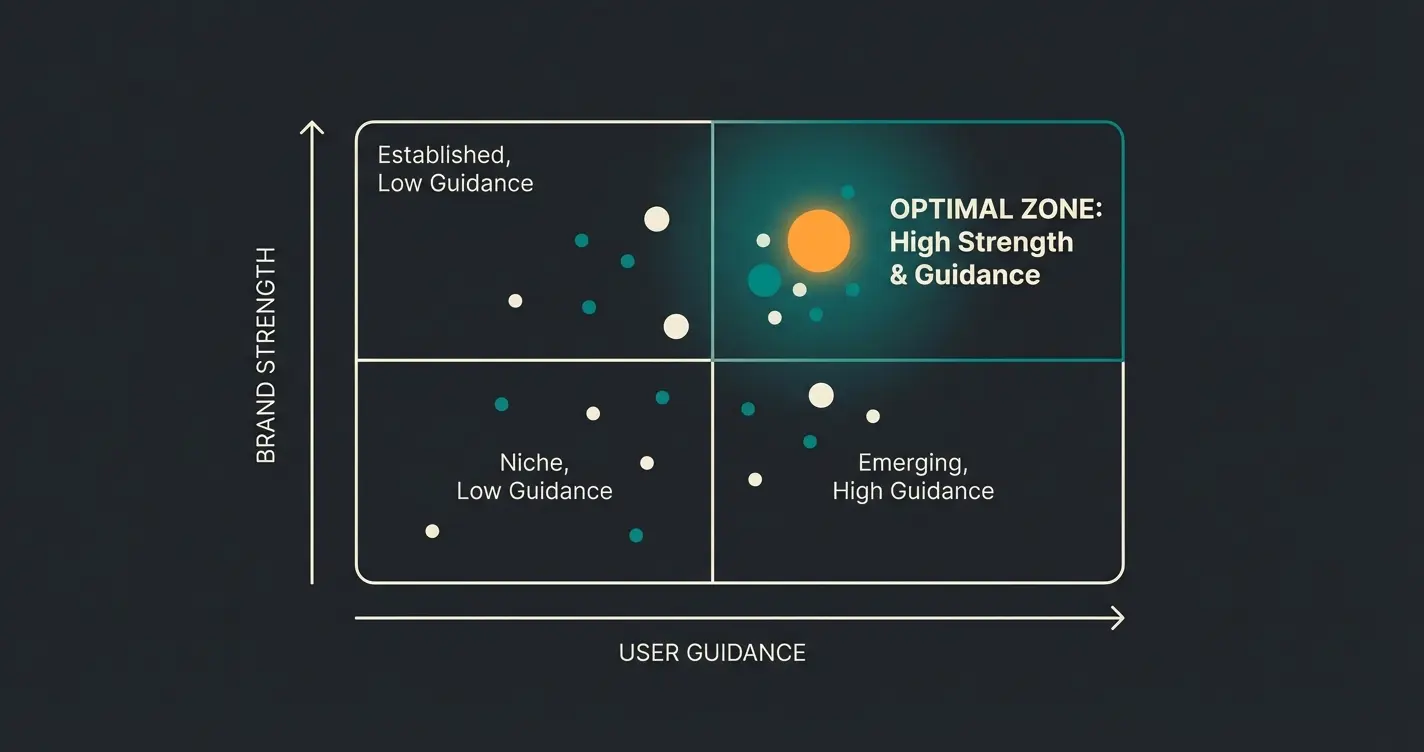
The analysis of the most successful Shopify shops in Germany clearly shows: there's no secret recipe, but clear patterns emerge.
- Niche Wins: Almost all examples (Snocks, Giesswein, KoRo) dominate a focused niche.
- D2C is Mandatory: Direct customer relationships enable higher margins and better data.
- Consultation Beats Selection: In a world of abundance, the shop that simplifies decisions wins (Guided Selling).
Checklist for Your Shopify Shop
- Speed: Does my shop load on mobile under 2 seconds?
- Trust: Are reviews and trust seals 'above the fold'?
- Consultation: Do I have an element (quiz/guide) that helps customers choose?
- Bundles: Do I offer sets to increase cart value?
- Story: Am I selling just a product or a solution/identity?
FAQ: Common Questions About Successful Shopify Shops
Success in 2025 is defined by four pillars: mobile-first performance (under 2 seconds load time), trust elements above the fold, compelling D2C storytelling, and most importantly—guided selling through quizzes or AI consultation that helps customers make decisions. The shops generating €80-140 million in revenue all implement some form of digital consultation.
Top performers shift from being static catalogs to active consultants. Instead of showing 50 products with filters, they ask questions about customer needs and recommend the perfect solution. This approach typically increases conversion rates from the standard 1-3% to 5-10% after consultation, while also boosting average order value through personalized bundles.
Absolutely. Brands like Waterdrop (€140 million revenue), Snocks (€83 million), and LFDY prove Shopify Plus handles enterprise volumes. LFDY specifically migrated to Shopify because it could handle 35,000 simultaneous visitors during product drops—something their previous system couldn't manage.
AI is becoming the differentiator for top shops. Beyond basic chatbots, successful brands use AI-powered product finders, personalization engines, and consultation assistants that understand customer needs and make tailored recommendations. This technology collects valuable zero-party data while reducing returns and increasing customer satisfaction.
Start with a product quiz using tools like Octane AI or Typeform that asks about customer problems, not products. Progress to AI-powered chatbots that actively sell during conversations. Use the collected preference data for personalized email marketing. The key is asking 'What do you need?' rather than 'What do you want to buy?'
Transform Your Shop with AI-Powered Consultation
The future belongs to shops that understand and actively guide their customers. Technologies like AI-powered product consultation close the gap between online shopping and personal in-store advice. By implementing consultative intelligence principles, you can join the ranks of Germany's most successful Shopify shops.
Want to transform your Shopify store from a static catalog into an intelligent sales consultant? The examples in this guide prove that the investment in guided selling technology delivers measurable returns: higher conversion rates, increased average order values, and reduced return rates.
Discover how AI-powered product consultation can transform your conversion rates and customer experience. Our solution turns browsers into buyers by guiding them to the perfect product.
Get Started Free