The E-Commerce Dilemma: Traffic Without Conversion
AI avatars are emerging as a critical success factor in e-commerce. These digital assistants combine cutting-edge artificial intelligence with a human-like user interface. They offer businesses the opportunity to automate their customer service while simultaneously creating a personal shopping experience that was previously only possible in physical stores.
The market for AI avatars is growing rapidly. According to a current market study by Kings Research, the global market volume for digital AI avatars will rise to over $454 billion by 2031. With an annual growth rate of 46.59% between 2024 and 2031, the enormous potential of this technology becomes evident.
This development is driven by the continuous growth of e-commerce. The German online retail sector reached €85.4 billion in revenue in 2023. With increasing demand for personalized shopping experiences, AI avatars offer a scalable solution for digital customer consultation. Yet most online shops still struggle with the same fundamental problem: plenty of traffic, low conversion rates, and no personal staff to guide purchase decisions.
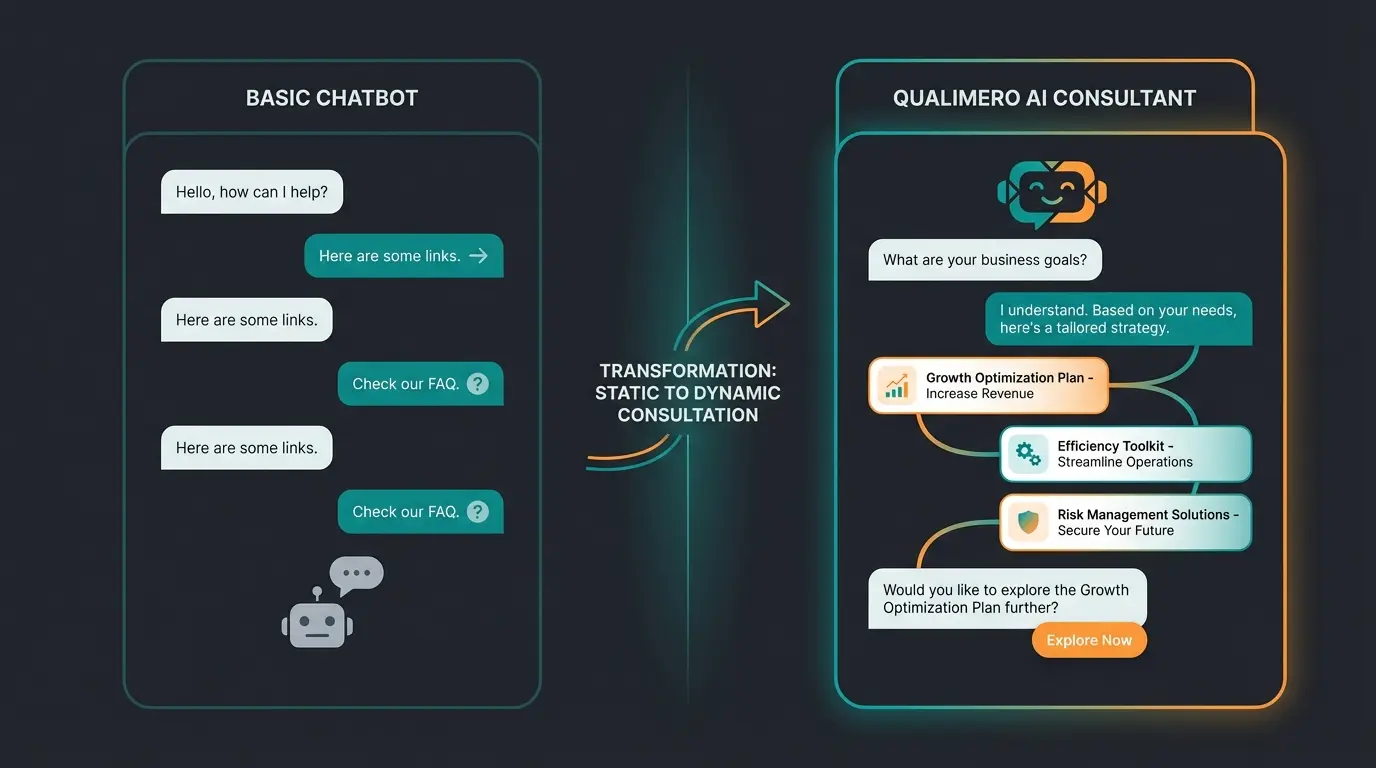
This is where the paradigm shift begins. Static chatbots that answer FAQs are becoming obsolete. The future belongs to interactive AI avatars capable of genuine consultation – understanding customer needs, asking clarifying questions, and guiding visitors toward the right purchase decision.
Two Types of AI Avatars: A Critical Distinction
Understanding the different forms of AI avatars is essential for making the right investment decision. The market broadly divides into two fundamentally different categories that serve entirely different purposes.
Type A: Linear Video Presenters
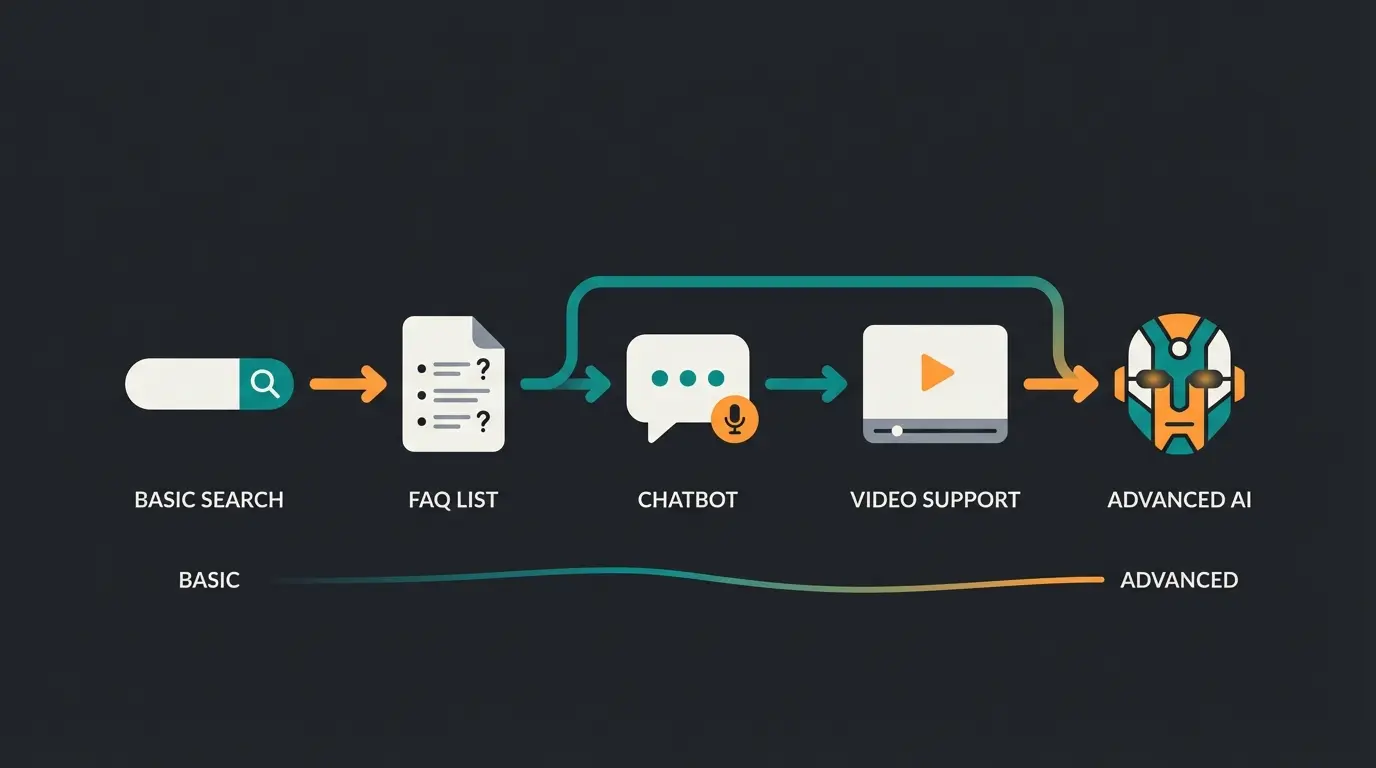
Tools like Synthesia and HeyGen fall into this category. These are content creation platforms that generate pre-recorded video content with AI-generated avatars. They excel at producing marketing videos, training materials, and multilingual content at scale. The avatar speaks a scripted monologue – it cannot respond to questions or adapt to viewer needs in real-time.
These linear presenters are powerful for broadcasting messages but fundamentally limited: they cannot think, cannot listen, and cannot advise. They are essentially sophisticated video production tools, not customer service solutions.
Type B: Interactive AI Consultants
Interactive AI avatars represent a completely different technology category. These systems engage in real-time dialogue powered by large language models (LLMs). They connect to product databases, understand context, ask clarifying questions, and provide personalized recommendations based on individual customer needs.
Imagine the difference: A video avatar says "Our running shoes feature advanced cushioning technology." An interactive consultant asks "What distance are you training for? What's your current pace? Do you have any previous injuries?" – and then recommends the specific shoe that matches the customer's actual requirements.
| Feature | Standard Chatbot | Video Generator (Synthesia/HeyGen) | Interactive AI Avatar |
|---|---|---|---|
| Real-time Response | Yes (text only) | No (pre-recorded) | Yes (multimodal) |
| Emotional Recognition | No | No | Yes |
| Sales Logic & Product Advice | Limited scripts | None | Dynamic AI-driven |
| Product Database Integration | Basic lookups | None | Full integration |
| Personalization | Rule-based | None | Machine learning |
| Setup Time | Hours | Minutes per video | Days to weeks |
| Scalability | High | Manual per video | Unlimited concurrent |
Visual Categories of AI Avatars
2D and 3D Avatars
2D avatars appear as two-dimensional characters and are particularly suitable for simple consultation conversations. They load quickly and work well across all devices. 3D avatars offer a more immersive experience through their realistic representation and are frequently used in virtual shopping environments where spatial presence enhances the customer experience.
Voice-Controlled Systems
These avatars interact with customers through natural speech input. They utilize advanced speech processing for context-aware conversations and can conduct complex product consultations. Voice-first interfaces particularly excel in scenarios where customers have their hands occupied or prefer speaking over typing.
Video-Based Solutions
Video avatars combine moving images with AI technology. They present products dynamically and can employ emotions and body language to create an authentic consultation situation. The visual human presence builds trust in ways that text-only interfaces cannot achieve.
Hybrid Concepts
Modern systems combine multiple technologies simultaneously. They utilize text, speech, and visual elements together and adapt flexibly to customer communication preferences. This flexibility makes them particularly effective for different use cases in e-commerce, allowing the same avatar to serve customers who prefer typing, speaking, or watching demonstrations.
Core Use Cases and Measurable Benefits
AI-powered product consultation sets new standards in e-commerce. AI avatars offer decisive advantages for online shops through their permanent availability and rapid response times.
Customer Consultation with Measurable Results
AI avatars achieve conversion increases of 25-35% through personalized consultation. The intelligent systems analyze customer behavior in real-time and dynamically adjust their recommendations. They consider previous purchases, browsing behavior, and current product interests to deliver advice that feels genuinely personal.
Consider the difference between a standard FAQ interaction and genuine consultation: A FAQ bot responds to "Which running shoe should I buy?" with a generic product list. An interactive AI avatar asks about training goals, weekly mileage, terrain preferences, and past injuries – then explains why a specific shoe matches those exact requirements.
24/7 Service Automation
The permanent availability of AI avatars enables seamless customer support around the clock. The automated systems answer customer inquiries within seconds – even outside regular business hours. This leads to significant cost savings of up to 80% in customer service while simultaneously improving customer satisfaction through eliminated wait times.
Through personalized product consultation
Compared to traditional support teams
Better advice leads to better purchases
Global AI avatar market projection
Intelligent Product Recommendations
AI avatars utilize machine learning algorithms for precise product suggestions. They consider multiple data dimensions to create truly relevant recommendations:
- Purchase History: Previous orders and demonstrated preferences inform future suggestions
- Behavioral Analysis: Current browsing patterns reveal immediate intent and interests
- Contextual Data: Seasonal factors, trends, and situational needs shape recommendations
- Similarity Analysis: Comparable customer profiles provide collaborative filtering insights
- Real-time Dialogue: Questions asked during conversation reveal specific requirements
Multilingual Support at Scale
Modern AI avatars communicate in multiple languages, enabling international customer engagement without proportional staffing increases. Natural Language Processing technology ensures natural conversation flow regardless of language. A single avatar can seamlessly switch between German, English, French, and dozens of other languages – providing consistent brand experience across all markets.
Technical Foundations of AI Avatars
The technical foundations of AI avatars are based on various AI technologies working in concert. AI in e-commerce combines these components into powerful consultation systems that feel remarkably human.
Natural Language Processing
NLP technologies enable AI avatars to understand and process human language with nuance. The systems interpret customer inquiries contextually and generate appropriate responses in natural language. Modern NLP goes beyond keyword matching to understand intent, sentiment, and implied meaning – allowing avatars to respond to what customers actually mean, not just what they literally say.
Computer Vision Technology
Image recognition algorithms analyze visual content and enable AI avatars to interpret product images or customer photos. This technology supports visual product search and authentication. Customers can show an avatar a photo of a desired style, and the system will identify similar products from the catalog.
Machine Learning Fundamentals
AI avatars continuously learn from customer interactions. ML algorithms optimize responses and recommendations based on feedback data and success metrics. Every conversation makes the system smarter – learning which recommendation approaches lead to successful purchases and satisfied customers.
System Integration
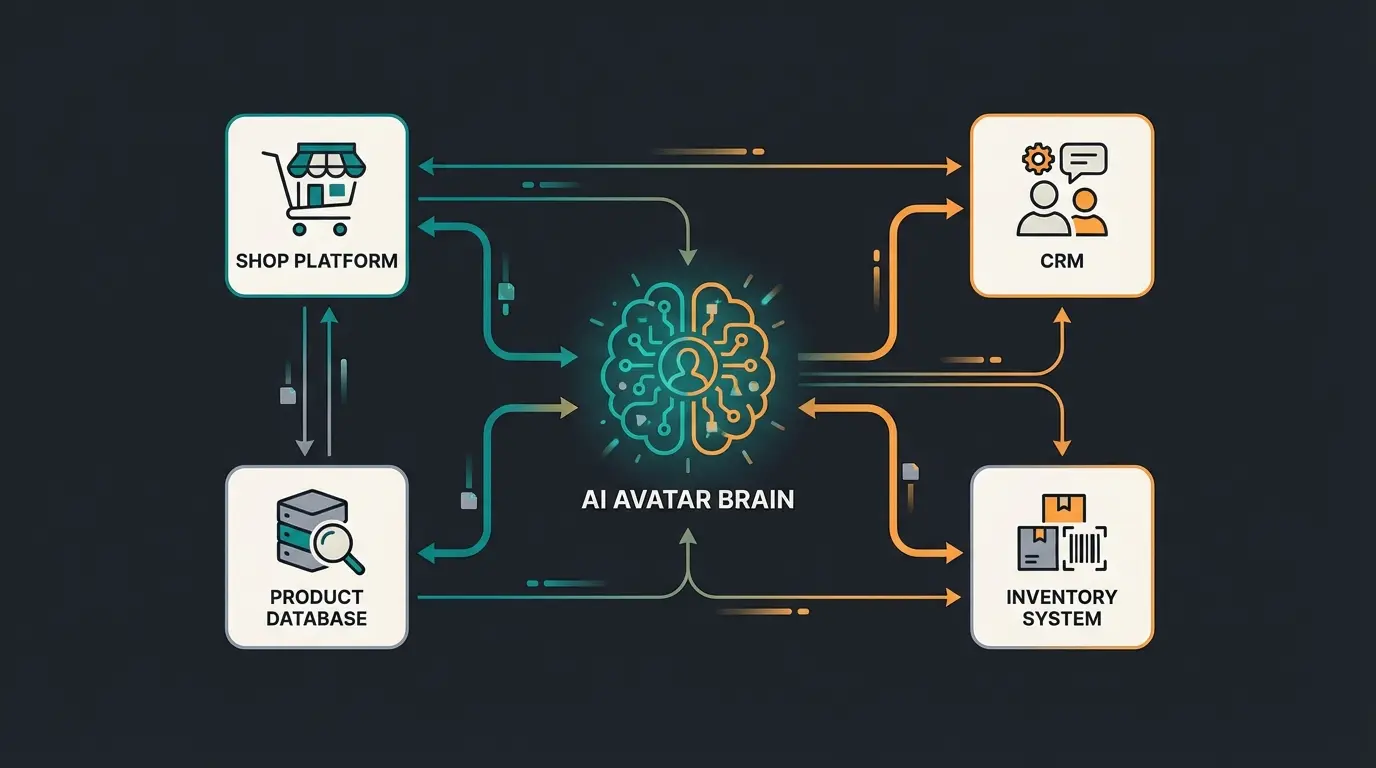
Integration into existing e-commerce systems occurs through APIs and standardized interfaces. Product databases, CRM systems, and inventory management are connected to enable holistic consultation processes. The avatar knows current stock levels, can check order history, and understands product specifications – all in real-time during the conversation.
Visitor clicks avatar widget or asks a question
NLP analyzes the query to understand customer needs
System queries product database and customer history
Avatar asks follow-up questions to refine understanding
AI generates tailored product suggestions with explanations
Avatar guides customer through purchase decision
See how interactive AI consultation can increase your conversion rates by 25-35% while reducing support costs. Get a personalized demo for your e-commerce business.
Request Your DemoBest Practices and Success Stories
German online retailers are increasingly relying on AI-powered consultation systems and achieving remarkable results. The integration of AI avatars leads to measurable improvements in business metrics across various industries.
Successful Case Studies from Germany
A leading German garden specialty retailer recorded a 35% increase in conversion rate after introducing an AI avatar. The avatar advises customers on selecting plants and garden equipment, understanding soil conditions, climate zones, and gardening experience levels. The average consultation time decreased from 15 to 3 minutes per inquiry while customer satisfaction increased dramatically.
A medium-sized fashion online shop achieved a 28% reduction in return rates through their AI avatar. The avatar supports customers with size consultation and provides style recommendations based on body type, existing wardrobe, and occasion requirements. Customer satisfaction demonstrably increased by 42%, with customers specifically praising the personalized nature of the advice.
ROI Calculations That Justify Investment
Investment in AI avatars typically pays off for online retailers within 6-12 months. An average online shop with 100,000 visitors per month can achieve the following measurable improvements:
- Customer Service Cost Reduction: 60-80% savings through automated handling of standard inquiries
- Return Rate Decrease: 20-30% fewer returns due to better-informed purchase decisions
- Average Order Value Increase: 15-25% higher basket values through effective cross-selling and upselling
- Support Ticket Reduction: 70% fewer escalations to human agents
- Customer Satisfaction Scores: 40% improvement in NPS and CSAT metrics
Practical Experience from Implementations
The integration of AI avatars brings numerous practical advantages beyond raw metrics. Online retailers report significantly more efficient processes in customer service. The automated answering of standard inquiries relieves employees considerably, allowing human agents to focus on complex cases requiring empathy and judgment.
Retailers particularly value the ability for personalized product consultation around the clock. AI avatars learn continuously from interactions and steadily improve their consultation quality. Unlike static systems, they become more valuable over time as they accumulate knowledge about customer preferences and successful recommendation patterns.
Implementation and Challenges
Successful integration of an AI avatar requires a systematic approach. Technical and organizational aspects must be considered equally for long-term success.
System Requirements
Operating an AI avatar requires modern technical infrastructure for online shops. A cloud-based solution enables flexible scaling as traffic fluctuates. Integration into existing shop systems occurs through standard interfaces, with most major platforms (Shopify, Shopware, WooCommerce, Magento) supporting straightforward widget implementation.
Data Privacy Compliance (GDPR)
German online retailers must pay particular attention to data privacy when implementing AI avatars. Personal data is processed exclusively in GDPR-compliant manner. All interactions are transmitted encrypted and deleted after defined retention periods. Transparent data handling actually builds customer trust – when customers understand how their data improves their experience, they become more willing to engage.
Process Adaptation
Introducing an AI avatar requires adapting internal processes. Employees need training in working with the new technology – not to operate it daily, but to understand its capabilities and limitations. Clear responsibilities for system maintenance and development must be established, including who reviews conversation logs, updates product knowledge, and handles edge cases.
Economic Analysis
A detailed economic analysis helps with the decision for or against an AI avatar. Beyond implementation costs, ongoing operational costs must be calculated. Expected savings and revenue increases flow into the analysis. Most businesses find that the question isn't whether they can afford AI avatars – it's whether they can afford to let competitors implement them first.
Advantages of AI Avatars for Online Shops
AI avatars offer online retailers remarkable opportunities for improving customer consultation and automation. AI-powered product consultation delivers measurable results when correctly integrated:
- Availability: Continuous 24/7 service without wait times or staffing shortages
- Scaling: Simultaneous support of numerous customers at consistently high quality
- Personalization: Individual product recommendations based on customer behavior and stated preferences
- Cost Reduction: Reduction of service costs by up to 80% per consultation
- Multilingual Capability: Automatic translation enables international support without proportional hiring
Best Practices for Successful Integration
Successful implementation of AI avatars requires a structured approach. According to current practical experiences, the following steps have proven effective:
First, shop operators should conduct a thorough analysis of customer inquiries. This enables identification of frequent questions and typical consultation situations. Building on this foundation, the AI system's knowledge training can be specifically aligned to address actual customer needs rather than assumed ones.
Technical integration must occur seamlessly into existing shop systems. Important is the connection to inventory management and CRM to give the avatar access to current product data and customer information. An avatar that recommends out-of-stock products or ignores a customer's purchase history undermines trust rather than building it.
Future Perspectives and Market Development
The market size for AI avatars is developing extremely positively. By 2031, a global market volume of $454.75 billion is projected, with an annual growth rate of 46.59% between 2024-2031. North America remains leading with 41.02% market share, followed by Europe and Asia.
Technical Advancements on the Horizon
The technical capabilities of AI avatars will expand significantly in coming years. New developments in speech and image processing lead to even more natural interactions. The integration of biometric real-time analysis enables precise assessment of customer needs through facial expression and tone analysis, allowing avatars to detect confusion, interest, or hesitation and adapt their approach accordingly.
Emerging Application Fields
AI avatars will be deployed in additional areas of e-commerce in the future:
- Virtual Shopping: Personal shopping companions in virtual showrooms and AR/VR environments
- After-Sales: Automated returns processing with visual support and problem diagnosis
- Cross-Channel: Integration into social media commerce and mobile applications
- Product Development: Direct customer involvement through AI-moderated feedback sessions
- B2B Sales: Complex product configuration and technical specification guidance
Market Development Through 2031
The e-commerce sector will be significantly shaped by AI avatars. AI-powered customer interactions become more authentic and effective each year. The shift from "search" to "consultation" is happening now – not in some distant future. Businesses that wait until 2026 to explore this technology will find themselves competing against companies that have already accumulated years of customer interaction data and optimization.
Technology Future Perspectives
According to current market analyses, a volume of over $450 billion is expected by 2031. This development is driven by technological advances in several key areas:
Natural language processing makes AI avatars increasingly natural in communication, with responses becoming indistinguishable from human agents in many scenarios. Improved facial recognition and 3D rendering provide photorealistic representation that builds emotional connection. New machine learning algorithms continuously optimize personalization, with each interaction making recommendations more relevant.
These technical innovations enable even more convincing consultation experiences in the future. AI avatars evolve into virtual sales consultants that fundamentally change the shopping experience – not replacing human connection, but making personalized guidance available to every customer at any time.
Conclusion: The Time for AI Avatars Is Now
AI avatars represent a central pillar of e-commerce digitalization. The technology offers enormous potential for revenue increases and customer loyalty. Businesses that invest early in this technology secure an important competitive advantage that compounds over time.
The distinction between video generation tools and interactive consultants is crucial: while Synthesia and HeyGen excel at content creation, true e-commerce transformation requires avatars that can think, listen, and advise in real-time. The winning strategy focuses not on "time saved creating videos" but on "conversion rate increase" and "reduced return rates."
As the market grows toward $454 billion by 2031, early movers will have trained their AI systems on millions of customer interactions, creating competitive moats that late adopters cannot easily overcome. The question is no longer whether to implement AI avatars, but how quickly you can begin the journey from FAQ bot to genuine sales consultant.
A chatbot typically processes text-based queries using rule-based logic or basic NLP, providing scripted responses. An AI avatar adds a human-like visual presence (2D or 3D) and uses advanced large language models (LLMs) to engage in genuine dialogue. Interactive AI avatars can ask clarifying questions, understand context, access product databases in real-time, and provide personalized consultation rather than generic answers.
Implementation costs vary based on complexity and integration requirements. Initial setup typically ranges from €5,000-50,000 depending on customization needs. Ongoing costs include API usage, maintenance, and optimization. Most businesses achieve ROI within 6-12 months through reduced support costs (60-80% savings) and increased conversion rates (25-35% improvement).
Modern AI avatars support multiple languages including German with various regional adaptations. While perfect dialect reproduction remains challenging, avatars can adjust formality levels, vocabulary choices, and communication styles to match different German-speaking markets (Germany, Austria, Switzerland). Continuous learning from interactions improves regional appropriateness over time.
Interactive AI avatars excel at complex consultation by combining multiple data sources: product specifications, inventory status, customer history, and real-time dialogue. They ask clarifying questions to understand specific needs (e.g., 'What terrain will you run on?'), then apply reasoning to recommend appropriate products with explanations. Unlike FAQ bots, they handle nuanced scenarios requiring judgment.
Reputable AI avatar solutions are designed for GDPR compliance from the ground up. Data is processed within EU servers, encrypted in transit and at rest, and retained only as long as necessary. Customers receive transparent privacy notices and can request data deletion. The key is selecting vendors who prioritize German data protection standards and can demonstrate compliance documentation.
Join leading retailers using AI avatars to deliver personalized consultation at scale. Our interactive AI consultants increase conversions, reduce returns, and work 24/7. Start your digital transformation today.
Get Started Now